
Nutrition Insights & Active Lifestyle Tips
Discover evidence-based articles on nutrition, fitness strategies, and lifestyle optimization for active individuals. Our editorial team brings you the latest research and practical guidance.
Featured Article

Optimal Pre-Workout Nutrition: Timing and Macronutrient Balance
Learn how to structure your pre-workout meals for maximum energy and performance. This comprehensive guide explores the science behind nutrient timing, ideal macronutrient ratios, and practical meal examples for different exercise types. Whether you're training for strength, endurance, or athletic performance, discover how proper nutrition can enhance your results.
Our experts break down timing windows, optimal carbohydrate-to-protein ratios, and supplement considerations to help you fuel your body effectively before hitting the gym or field.
Read Full ArticleLatest Articles
 Fitness
March 15, 2025
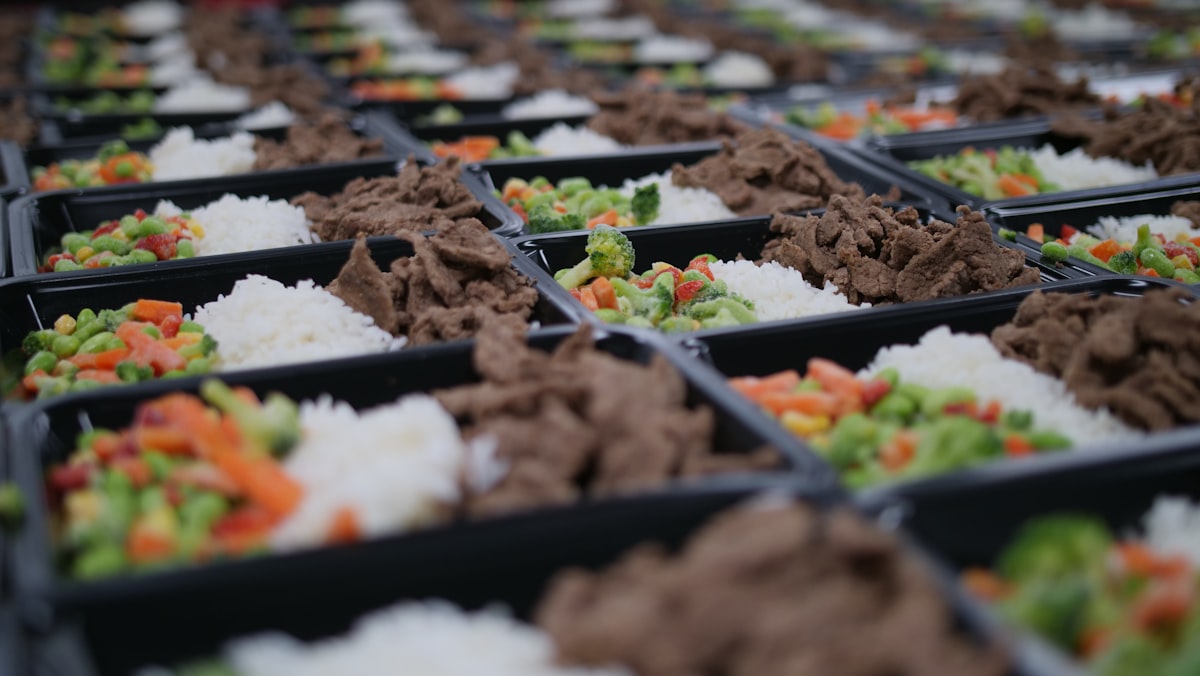
Hydration Strategies for Athletes: Beyond Water
Explore advanced hydration techniques that go beyond plain water. This article examines electrolyte balance, sodium intake timing, and fluid replacement strategies for various sports and climate conditions.
Read more →
 Nutrition
March 12, 2025
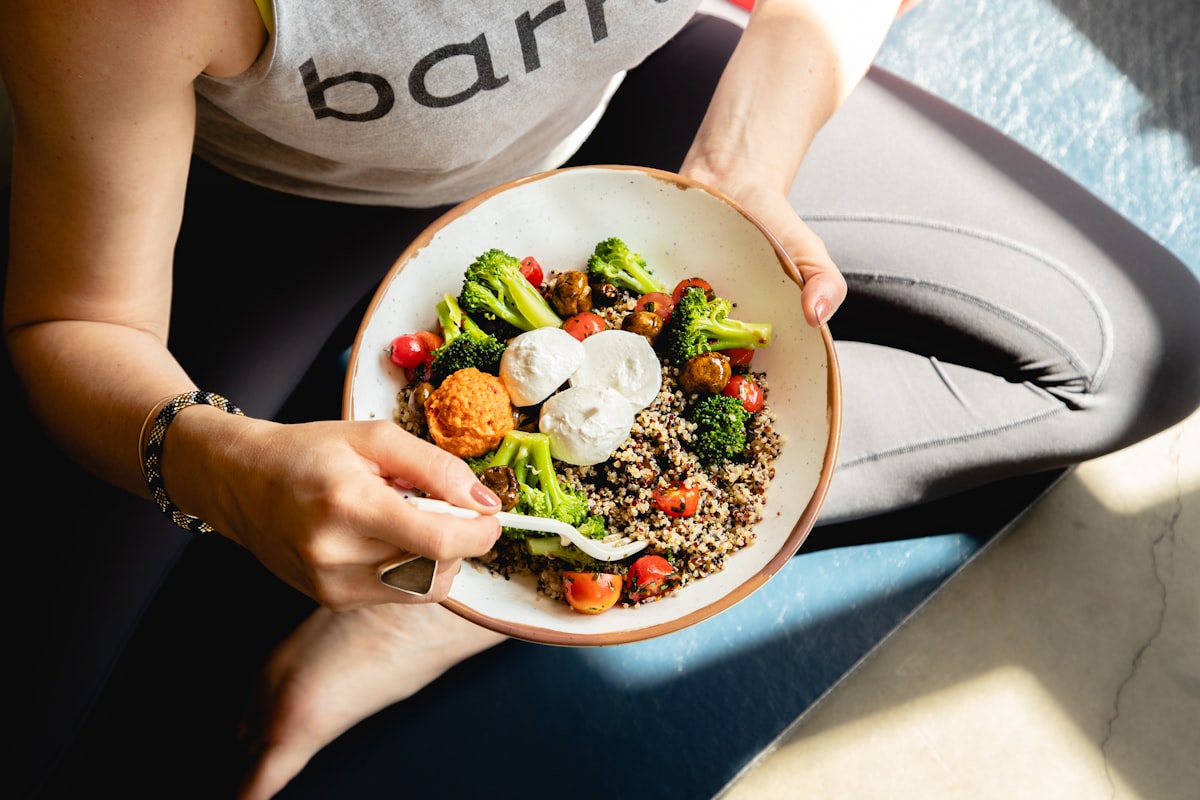
Complete Protein Sources for Plant-Based Athletes
Discover how plant-based athletes can meet their protein requirements through whole foods and strategic combinations. Learn about amino acid profiles, complementary proteins, and practical meal planning for optimal performance.
Read more →
 Recovery
March 10, 2025
Post-Workout Recovery Nutrition: The Critical Window
Understand the science of post-exercise nutrition and how to optimize muscle recovery. This guide covers the anabolic window, optimal nutrient ratios, and recovery protocols for different training modalities.
Read more →
 Nutrition
March 8, 2025
Energy Density and Athletic Performance: Fueling Endurance
Learn how to calculate and optimize energy density in your diet for sustained athletic performance. Explore carbohydrate loading strategies, fat utilization, and nutrient timing for endurance events.
Read more →
 Recovery
March 5, 2025
Sleep Quality and Muscle Recovery: The Hidden Performance Factor
Explore the critical relationship between sleep architecture and athletic recovery. Learn how nutrition impacts sleep quality, circadian rhythm optimization, and evidence-based strategies for better rest.
Read more →
 Nutrition
March 1, 2025
Common Micronutrient Deficiencies in Active Individuals
Identify and address nutritional gaps that can impact athletic performance. This comprehensive article covers iron, zinc, magnesium, and B-vitamin status in athletes, plus dietary strategies for optimization.
Read more →
Why Nutrition Science Matters for Athletes
Proper nutrition is not just about calories—it's about optimizing your body's ability to perform, recover, and adapt to training stress. Research consistently shows that athletes who align their nutrition with their training demands experience superior performance outcomes and reduced injury risk.
Our editorial content dives deep into the science behind macronutrient timing, micronutrient optimization, hydration protocols, and recovery strategies. Each article is researched and written by our team of nutrition professionals and fitness experts dedicated to bringing you evidence-based information.
- Research-backed nutrition strategies tailored to different athletic pursuits
- Practical meal planning and recipe guidance for active lifestyles
- Science-based recovery and wellness protocols

Stay Updated with Latest Nutrition Insights
Subscribe to our newsletter and receive our latest articles, research summaries, and practical nutrition tips delivered to your inbox.
We respect your privacy. Unsubscribe anytime from our mailing list.
Common Questions About Nutrition & Active Lifestyle
The amount of protein needed varies based on your training goals and activity level. Generally, athletes engaged in strength training should aim for 1.6-2.2 grams of protein per kilogram of body weight daily, while endurance athletes require slightly less at 1.2-1.6 grams per kilogram. Our detailed article on protein requirements explores these ranges in depth, accounting for your specific sport, training intensity, and recovery needs. Individual factors like age, body composition, and training experience also play important roles in determining your optimal protein intake.
Read our complete protein guide →Explore More Resources
Nutrition Tips for Active Lifestyle
Comprehensive nutrition guidance tailored specifically for individuals maintaining active lifestyles, including macronutrient strategies and meal timing.
Learn more →
Workout Nutrition Strategies
Detailed exploration of pre/post-workout nutrition, recovery protocols, and nutrient timing for peak performance.
Learn more →
Supplement Decision Guide
Science-backed information on vitamins, minerals, and supplements to help you make informed choices for your health goals.
Learn more →
Smart Meal Planning
Practical templates and strategies for meal prep, balanced nutrition, and sustainable eating habits that fit your lifestyle.
Learn more →
Frequently Asked Questions
How do I calculate my daily calorie needs?
Your daily calorie needs depend on your basal metabolic rate (BMR), activity level, age, gender, and body composition. Use our BMR calculator or consult a nutrition professional for a personalized assessment.
What's the difference between macros and micros?
Macronutrients (proteins, carbs, fats) provide energy and are needed in large quantities. Micronutrients (vitamins, minerals) support body functions and are needed in smaller amounts. Both are essential for optimal health.
Are supplements necessary if I eat well?
A balanced diet can meet most nutritional needs, but certain supplements may help fill gaps (vitamin D, B12, omega-3s). Individual needs vary based on diet, lifestyle, and health status—consult a healthcare provider.
How can I start tracking my nutrition?
Begin by keeping a food diary for 3-5 days. Track meals, portions, and hydration. Use apps like MyFitnessPal or Cronometer, or work with a dietitian to establish baseline habits and identify improvement areas.